Considering the goal to provide context (historical, biographical, critical, and supporting) to “classic and contemporary children’s and young adult literature,” what exactly is a classic? There are three types of classics that I’m likely going to be talking about: Classics, Modern Classics, and Future Classics.
Tag: Contemporary
Wild Things
Bruce Handy, contributing editor for Vanity Fair, provides a “ramble through classic children’s literature” in Wild Things: The Joy of Reading Children’s Literature as an Adult.
Kurt Vonnegut & Sherman Alexie
Kurt Vonnegut’s 1969 novel Slaughterhouse Five and Sherman Alexie’s 2007 novel Flight both feature violent scenarios, and time travel narratives. As Alexie explains in a 2007 NPR Interview, reading Slaughterhouse Five helped him form the shape of Flight. Similarly, scholars have broken down the function of time travel narratives in each of these novels. Because of the correlation that exists between the two novels, they can be read, and taught, in tandem.
Laura Ingalls Wilder & Louise Erdrich
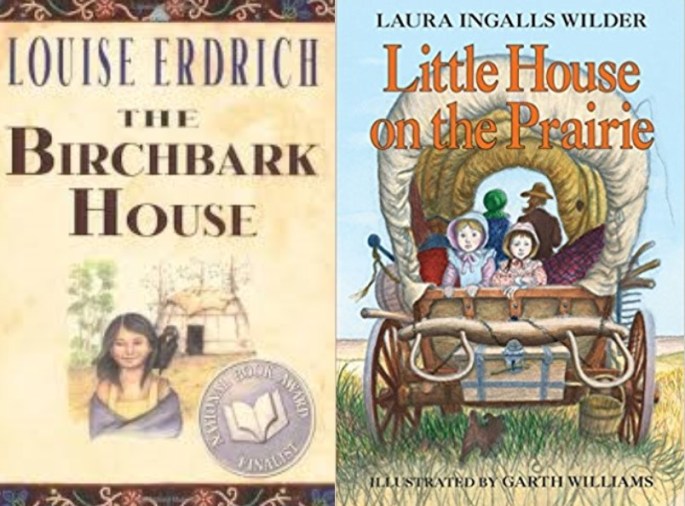
Laura Ingalls Wilder's Little House on the Prairie series has long been regarded as the essential pioneer girl narrative. However, scholar Michelle Stewart explains that Wilder's novels also contain problematic narratives, including racist and stereotypical portrayals of Native Americans. In contrast, Louise Erdrich's The Birchbark House, is a historical story about an Ojibwa girl written by an Ojibwa author. The Birchbark House counteracts many of the myths that Wilder's work perpetuates about Native Americans, a move that Stewart argues was intentional. Because of the critical conversation surrounding between Little House on the Prairie and the The Birchbark House, the potential exists for them to be interacted with together in order to engage children about literature, history, and diversity.